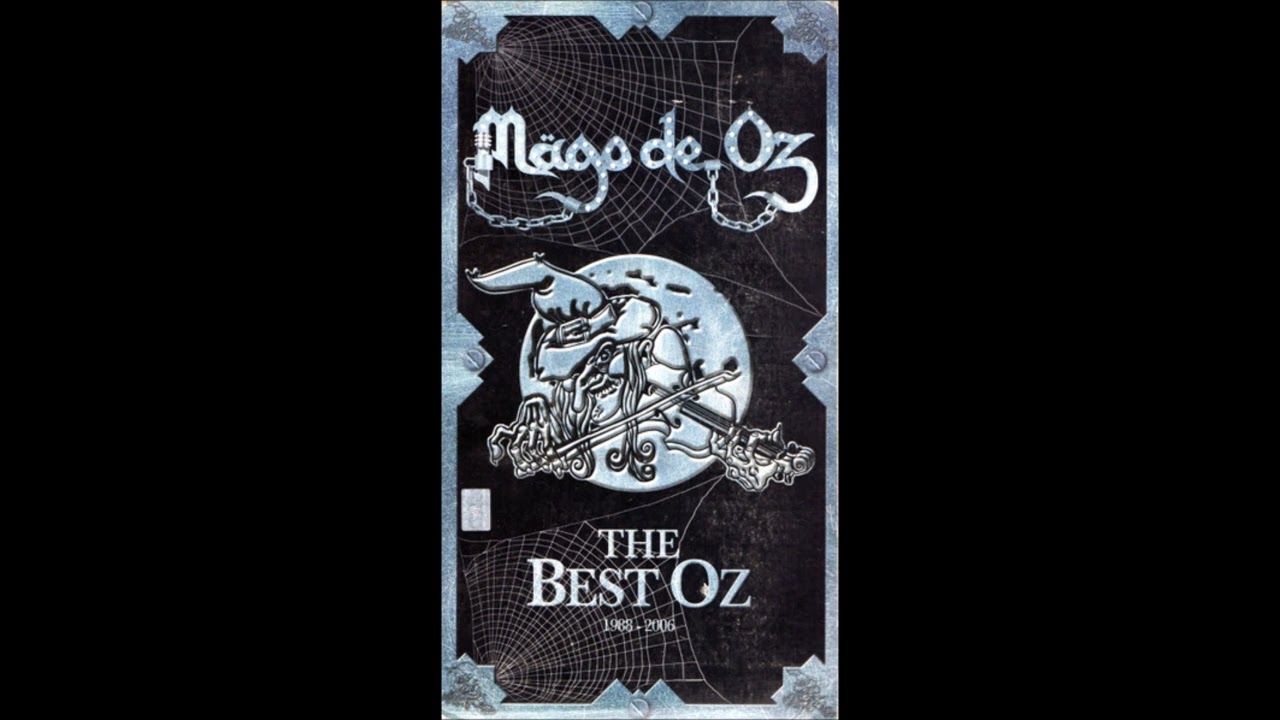
In 1998, the Spanish folk metal band, Mägo de Oz, released their legendary album “La leyenda de La Mancha”, whose single “Molinos de viento” would become their most popular and acclaimed song of all time. Inspired by the literary classic Don Quixote de La Mancha, written by Miguel de Cervantes Saavedra (considered as the greatest writer in the Spanish language), the song combines philosophical, literary, and self-discovery elements., while using the figure of Don Quixote and his faithful squire Sancho Panza to convey a profound message about life, dreams, and freedom. During the 2000s, the song became so popular in Spanish-speaking countries that many people from the whole Latin America can easily identify it.
Many of Mägo de Oz's fans consider this song to be an anthem of freedom and rebellion, encouraging people to challenge the status quo and pursue their dreams, no matter how impossible they may seem. Some others interpret the references to Miguel de Cervantes' work as a metaphor for overcoming adversity and the importance of believing in oneself.
“Molinos de viento” has been acclaimed for its positive message and its ability to inspire people to live passionately and authentically.
"Molinos de Viento" is a song that celebrates imagination, freedom, and the search for deeper meaning in life. Through its verses, Mägo de Oz invites listeners to reject superficiality, follow their dreams, and live from the heart. The reference to Don Quixote symbolizes the struggle against adversity and the importance of self-belief. The following verses stand out:
The main themes are:
1. The importance of looking beyond: The song begins by criticizing those who don’t see beyond their own reality ("If you don’t see beyond your nose"). This reflects the idea that many people live confined to their comfort zones, afraid to explore new perspectives.
2. The value of dreams and imagination: The reference to Don Quixote, who saw windmills as giants, symbolizes the power of imagination to transform reality. The song suggests that dreams are as valid as reason ("Sometimes I feel, when I wake up, that the dream is reality").
3. Freedom and self-discovery: The lyrics encourage living life to the fullest and following one’s ideals ("There’s a world to discover, and a life to tear from the arms of the final script"). This reflects the idea that each person is the author of their own destiny.
4. Following the heart: The song emphasizes the importance of acting with the heart ("Live, listen and talk using your heart!"). This suggests that emotional and authentic decisions are more valuable than purely rational ones.
5. Connection with nature and life: The verse "Feel the rain kiss your face when you make love" highlights the importance of connecting with nature and enjoying life’s simple pleasures.
6. The call to take charge of your own life: The phrase "Shout with your soul, shout so loudly that you become, my friend, the only actor in your life" is a powerful message to take control of your existence and not be swayed by others’ expectations.
In summary, "Molinos de viento" is a tribute to life, authenticity, and freedom, continuing to inspire generations of fans.
- Category
- Try Not To Cum
Commenting disabled.
Up Next
Autoplay
-
03:25

TRY NOT TO CUM WHILE WATCHING @Luigi Fan 2006 // SpanishLiftFilmer2K6 INHALE SOME ASS GAS ??????????
-
20:12

Learn English Through Stories *Level 2* English Conversations with Subtitles
-
1:55:19

【New】迷亂女孩泳池邂逅禁慾總裁,事後溜之大吉!直到萌寶找上門喊爹,總裁秒變寵妻狂魔 #Shortplay #English subtitles #Full version #Unedited
-
1:41:55

【New】女孩出卖了她的初体验,她的羞澀讓他意猶未盡徹底上癮,決定將她鎖在身邊夜夜寵 #Shortplay #English subtitles #Full version #Unedited
-
1:22:53

【New】她偽裝刺殺禁慾總裁,豈料藥效發作,身體不受控制纏上他!一夜纏綿後,反而成了他的貼身夫人 #Shortplay #English subtitles #Full version
-
00:11

Hot lynx twerk ???????????? [MUST WATCH] [TRY NOT TO CUM]
-
02:41

TRY NOT TO CUM: CSGO EDITION V2
-
05:56

Try Not To Cum ???????? | Cute & THICC TikTok Girls ???????? #6
-
00:14

Try not to cum challenge
-
24:57

[ASMR] TRY NOT TO CUM???????? (gone sexual)