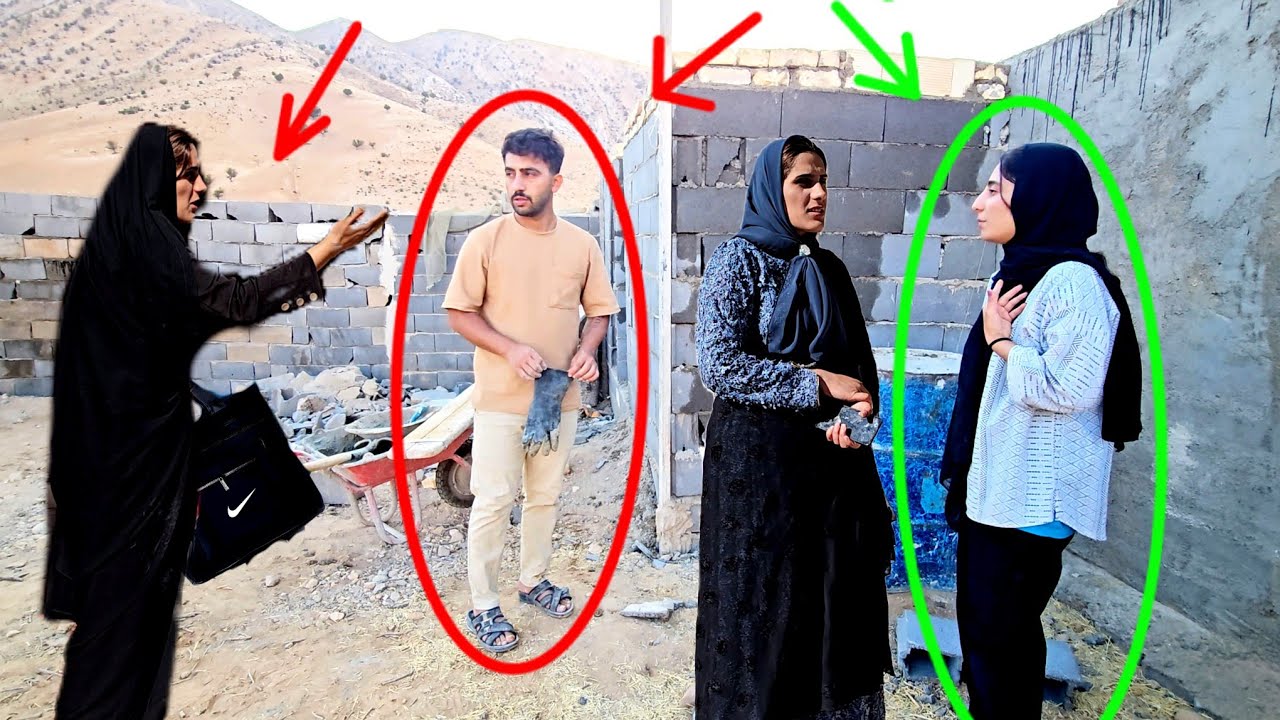
Mehdi's attempt to return Hamida to Chador can be seen as a reflection of his desire to restore a sense of normalcy and tradition in his life, particularly in the context of his love for Hamida. Chador likely represents not just a physical place but also a set of values, expectations, and cultural identity that Mehdi holds dear. His actions may stem from a belief that returning Hamida to Chador will solidify their bond and reinforce the traditional roles and relationships that are important to him.
On the other hand, Setareh's strong opposition to Hamida's arrival can be interpreted as a clash between differing values and perspectives. Setareh may represent a more modern or progressive viewpoint, seeing Hamida's return as a potential threat to her own autonomy or to the evolving dynamics within their community. Setareh's opposition could also stem from personal grievances or past experiences that make her wary of Hamida's influence or the implications of her return.
#TraditionVsModernity
#CulturalIdentity
#LoveAndDuty
#FamilialTension
#SocialExpectations
#EmotionalTurmoil
#ConflictOfValues
#RomanticRelationships
#CommunityDynamics
#PersonalAutonomy
- Category
- Try Not To Cum
Commenting disabled.
Up Next
Autoplay
-
50:10
Setareh and Mehdi's request for a final attempt to divorce Setareh from Mirza Ali
-
54:12
Back to the past; Setareh gave up on divorce and Mehdi still can't tell his love for Hamideh
-
50:36
Setareh's attempt to expel Hamideh from the earth: Mehdi's side with Setareh against her love
-
49:54
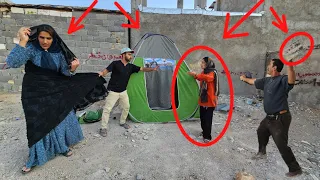
Mehdi's attempt to make peace between Hamida and Setareh: Setareh'sattempt toexpel Hamidafromthetent
-
50:16
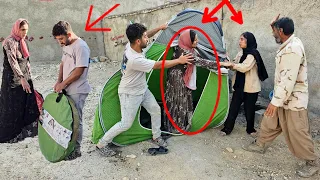
Hanideh's return with the star's land: Setareh and Hamideh's fierce clash against Mehdi
-
00:11

Hot lynx twerk ???????????? [MUST WATCH] [TRY NOT TO CUM]
-
02:41
TRY NOT TO CUM: CSGO EDITION V2
-
05:56

Try Not To Cum ???????? | Cute & THICC TikTok Girls ???????? #6
-
00:14

Try not to cum challenge
-
24:57

[ASMR] TRY NOT TO CUM???????? (gone sexual)